
Skip to content
Its Veterans October 16, 2026
Home
Its Veterans
  • Home
  • Benefits Guide

All articles · Page 63 of 136

  • ←
  • 1
  • …
  • 61
  • 62
  • 63
  • 64
  • 65
  • …
  • 136
  • →
Health & Care

The history of addiction treatment at VA: Part 1

Published December 3, 2025 · 5 min read
· By admin

Originally published: 2025-12-03T15:30:00+00:00. Historical source article: benefits, rules, amounts and deadlines may have changed. Check the official source for current information.

Wounds, opioids and addiction treatment for WWI Veterans

Often regarded as the first modern war, World War I was the first conflict to use machine guns, tanks, planes and chemical warfare on a mass scale. This, coupled with the international nature of the conflict, led to unprecedented casualties on the battlefield. Morphine was a common drug of choice for military physicians hoping to provide pain management to injured soldiers, and it was especially effective for men who had been gassed or contracted tuberculosis.

The prescribed use of morphine during the war, however, often resulted in an addiction that followed Veterans when they returned home. While the American public generally praised World War Veterans for their service, Veteran drug addicts frequently struggled to reassimilate into a society that equated addicts with dangerous criminals.

Veterans’ struggles with addiction post-WWI

While modern medical science understands drug addiction as a chronic brain disorder, the actual and profound impact of these drugs on the brain was not widely understood in the years after World War I. At the time, addiction was instead viewed as a sign of moral and physical weakness on the part of the addict. New York Representative Lester Volk was among several advocates arguing that Veterans, since their addiction stemmed from their military service, did not deserve the “humiliation” that the public arbitrarily imposed on drug users. Despite this, Veterans were not immune from the negative stigma. Contemporaneous newspaper articles referred to all addicts, Veterans or not, as “suspicious, untruthful, [and] deceptive,” and warned readers to “not keep company with any other person who is an addict… even if he is your own brother or a member of your family.”

Postwar newspaper headlines, such as this one from 1922, often highlighted Veterans’ experiences with both drug addiction and the physical wounds of war.

Many Veterans sought to rid themselves of addiction in the years following World War I. While there was no guaranteed remedy for morphinism, suggested treatments ranged from a gradual reduction in morphine intake to a prescription of phenobarbital, or, simply, to just isolation. Some morphine addicts voluntarily committed themselves to local jails or state sanatoriums to restrict their access to the drug. Others turned to local hospitals, which admitted hundreds of Veteran morphine addicts in the early 1920’s. These hospitals often instituted the gradual withdrawal method for addiction until, in June 1921, they began administering the barbiturate phenobarbital. Veterans addicted to morphine were admitted to a closed ward where they received 2-3 daily doses of phenobarbital, which helped reduce withdrawal symptoms like restlessness, pain and insomnia. This treatment was also accompanied with warm baths, alcohol rubs and doses of castor oil. However, J.B. Bauguss, head of the neuropsychiatric division of a Mississippi Veterans’ hospital, wrote that this treatment was not “a sure and unfailing cure for drug addiction,” and that “the majority of addicts relapse when returned to their old environment.”

Major Alexander Lambert in 1918, who was a recognized narcotics researcher and had extensively studied the impacts and potential treatments of morphinism. (Source: Library of Congress)

In 1921, the newly established Veterans Bureau began caring for addicted Veterans at their hospitals, many of which were transferred from the Public Health Service. These hospitals continued using the phenobarbital method to treat morphine addiction. Instances of addiction, however, continued to rise. In 1925, the American Legion announced that the Bureau Hospital in Palo Alto, California, was one of four hospitals nationwide that would be specifically tasked with caring for addicted World War Veterans. At the same time, the Bureau reached out to Dr. Alexander Lambert, a physician who had worked with the American Red Cross during World War I. Lambert was a recognized narcotics researcher and had pioneered, in partnership with Charles B. Towns, the Towns-Lambert method of treating morphinism and alcoholism. Initially introduced in 1909, this method called for a gradual reduction in morphine intake combined with the administration of a mercury-based pill known as “blue mass” and a plant-based mixture of belladonna, Hyoscyamus, and zanthoxylum. Importantly, the treatment could be successfully completed in less than a month. The Veterans Bureau thus began making plans for Dr. Lambert to teach this method to physicians treating Veteran drug addiction, and at least several Bureau doctors are known to have used this treatment in the late 1920’s and early 1930’s.

Not all physicians advocated for the Towns-Lambert method, however. Dr. E. Connely, a neuropsychiatrist at the Veterans Bureau hospital in Algiers, Louisiana, published his concerns over the treatment in the Bureau’s 1926 Medical Bulletin.

Controversies and alternative treatments

While he conceded that the Towns-Lambert method was often successful, he also argued that its reliance on toxic elements, namely belladonna, put patients at a severe risk of poisoning during treatment. Consequently, Connely’s proposed treatment substituted Lambert’s belladonna mixture with non-toxic Triticum. According to Connely, his treatment was just as effective as the Towns-Lambert method and carried less risk to the patient. It is unclear, however, whether his treatment took hold in Veterans Bureau hospitals.

Despite evolving treatments, morphine addiction continued to plague many Veterans well after the war. In 1928, the rolls of the federal penitentiary in Atlanta listed dozens of morphine addicts. When asked how they had contracted their addiction, responses included “gassed in war,” “war wound,” “wounded Veteran,” and “wounded in France,” among other military-connected causes. Even 10 years later, many Veterans still faced what was, in the words of one physician, “an affliction incomparably worse than the wounds received on the firing line.”

While the medicinal use of morphine continued after World War I, greater precautions were placed on its use. The then-known Veterans Administration, which succeeded the Veterans Bureau, issued a 1934 letter to its out-patient physicians which stipulated that “the use of morphine must be kept to the minimum of actual need.” VA Medical Bulletins in the 1930’s and 1940’s also referenced both the administration of morphine and the dangers of morphine addiction. Today, VA guidelines concerning the administration of opiates and the treatment of opiate addiction remain rooted in this decades-long research and the continued growth of knowledge surrounding the impacts of addiction.


Source: U.S. Department of Veterans Affairs. Its Veterans is an independent publication and is not affiliated with or endorsed by the U.S. government.

Filed under: Health & Care, Mental Health & Recovery

All articles · Page 63 of 136

  • ←
  • 1
  • …
  • 61
  • 62
  • 63
  • 64
  • 65
  • …
  • 136
  • →

Post navigation

Previous: How to get better sleep
Next: Community support brings Veterans early turkey time

More from Health & Care

Health & Care

Understanding PTSD after service was surprising. Finding the right support at VA changed everything.

Published October 16, 2026 · 1 min read
Health & Care

IG Mason Pledges to Protect Americans from Fraud

Published October 15, 2026 · 1 min read
Health & Care

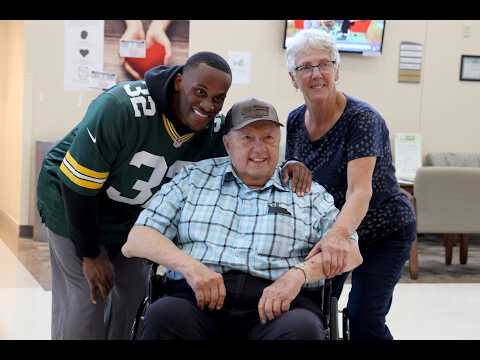
Green Bay Packers running back visits Green Bay VA Veterans and staff

Published October 14, 2026 · 1 min read
Health & Care

Dole VA Veterans Town Hall, October 14, 2026

Published October 14, 2026 · 1 min read
Health & Care

How can i experience true joy, Part 2

Published October 14, 2026 · 1 min read
Health & Care

Volunteer Drivers Needed: Help Veterans Get to Their Appointments

Published October 14, 2026 · 1 min read
Health & Care

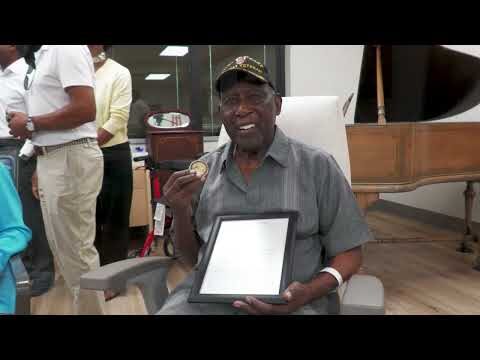
Phoenix VA Health Care System Celebrates World War II Veteran Brigadier General Nathaniel Smith

Published October 14, 2026 · 1 min read
Health & Care

Unity Chapel service, Oct. 11, 2026: "God was in the Room, Part 3: Jesus Changes Everything."
Published October 13, 2026 · 1 min read
Health & Care

Every Veteran has a story.

Published October 13, 2026 · 1 min read
Health & Care

"22 days into withdrawal, I just felt like this is it.” Then she called the VA.

Published October 9, 2026 · 1 min read
Health & Care

Vocational Rehabilitation Services and Homeless Veteran Community Employment Services

Published October 9, 2026 · 1 min read
Health & Care

Youth volunteers bring meaningful connections to Veterans

Published October 9, 2026 · 3 min read
Health & Care

October 2026 VANEOHS Quarterly Awards

Published October 8, 2026 · 1 min read
Health & Care

Meet a Veteran Event 9.30.26

Published October 8, 2026 · 1 min read
Health & Care

2026 Breast Cancer Risk Reduction and Screening Event

Published October 8, 2026 · 1 min read
Health & Care

Atlanta VA CVNR Research Fair | Advancing Research for Veterans

Published October 8, 2026 · 1 min read
Health & Care

100 Veterans attended rec therapy Field Day

Published October 8, 2026 · 1 min read
Health & Care

How can I experience true joy, Part 1

Published October 7, 2026 · 1 min read
Health & Care

Building 24 Prosthetics

Published October 7, 2026 · 1 min read
Health & Care

Building 24 Elevator

Published October 7, 2026 · 1 min read
Health & Care

VA Tennessee Valley to Host Veterans Day Parade

Published October 7, 2026 · 1 min read
Health & Care

Cuppa Joe and Tea with Melissa Halloween Episode

Published October 7, 2026 · 1 min read
Health & Care

B210 211 entrance ADL mute

Published October 7, 2026 · 1 min read
Health & Care

B210 211 entrance elevator mute

Published October 7, 2026 · 1 min read
Health & Care

B210 211 entrance Rec Therapy mute

Published October 7, 2026 · 1 min read
Health & Care

B210 24 Entrance Speech Therapy

Published October 7, 2026 · 1 min read
Health & Care

B210 211 entrance Speech Therapy

Published October 7, 2026 · 1 min read
Health & Care

B210 24 entrance PT

Published October 7, 2026 · 1 min read
Health & Care

B210 211 entrance ADL

Published October 7, 2026 · 1 min read
Health & Care

B210 211 entrance dietician

Published October 7, 2026 · 1 min read
Health & Care

B210 211 entrance elevator

Published October 7, 2026 · 1 min read
Health & Care

B210 211 entrance MHT

Published October 7, 2026 · 1 min read
Health & Care

B210 211 entrance PT

Published October 7, 2026 · 1 min read
Health & Care

B210 211 entrance Speech Path

Published October 7, 2026 · 1 min read
Health & Care

B210 211 entrance Rec Therapy

Published October 7, 2026 · 1 min read
Health & Care

VID 20261007 093157

Published October 7, 2026 · 1 min read
Health & Care

2026 Milwaukee VA Supply Chain Management Week

Published October 6, 2026 · 1 min read
Health & Care

The importance of lung health

Published October 6, 2026 · 1 min read
Health & Care

Boston VA workshop tests AI’s potential for Veteran care

Published October 6, 2026 · 4 min read
Health & Care

September SAVAHCS Director’s Highlights

Published October 5, 2026 · 1 min read

Search

Recent Posts
  • Understanding PTSD after service was surprising. Finding the right support at VA changed everything.
  • IG Mason Pledges to Protect Americans from Fraud
  • VA’s National Center for PTSD Website
  • VA’s National Center for PTSD Website (AD version)
  • How VA Built the Gold Standard for Blind Veteran Rehabilitation
  • $8 a Month: The Origins of VA Disability Compensation
  • Frank Lloyd Wright Designed a Home for a Disabled Veteran
  • The Oscar-Winning Film That Showed the Real Cost of Coming Home
  • VA in FY 2026 processes the most claims ever
  • Green Bay Packers running back visits Green Bay VA Veterans and staff
Categories
  • Benefits (15)
  • Community & Veteran Stories (106)
    • History & Remembrance (37)
  • Disabled Vets (36)
    • Claims & Appeals (18)
    • Disability Benefits (5)
    • Disability Ratings (2)
  • Employment & Education (81)
    • Education & Training (13)
    • Jobs & Career Advice (54)
    • Veteran-Owned Businesses (2)
  • Family & Caregivers (42)
  • Health & Care (773)
    • Medical Research (39)
    • Mental Health & Recovery (99)
    • Prosthetics & Rehabilitation (33)
    • Telehealth & Access to Care (35)
    • Whole Health & Wellness (57)
  • Housing & Home Loans (68)
    • Homelessness & Housing Support (44)
    • VA Home Loans (17)
  • Money & Consumer Protection (16)
    • Fraud & Scam Prevention (11)
    • Veterans Insurance (4)
  • News & VA Updates (485)
  • Trump (76)
  • Veterans Videos (335)

Recent Comments

No recent comments.

Archives
  • October 2026 (65)
  • September 2026 (159)
  • August 2026 (173)
  • July 2026 (49)
  • June 2026 (42)
  • May 2026 (46)
  • April 2026 (44)
  • March 2026 (45)
  • February 2026 (38)
  • January 2026 (48)
  • December 2025 (40)
  • November 2025 (32)

Contact Its Veterans   |   Terms of Use   |   Privacy Policy

Its Veterans is a service of Thirstier, a DBA of Immix Tachyon Synergy Network LLC.

© 2026 Thirstier. Thirstier Theme is an original theme from Thirstier.